





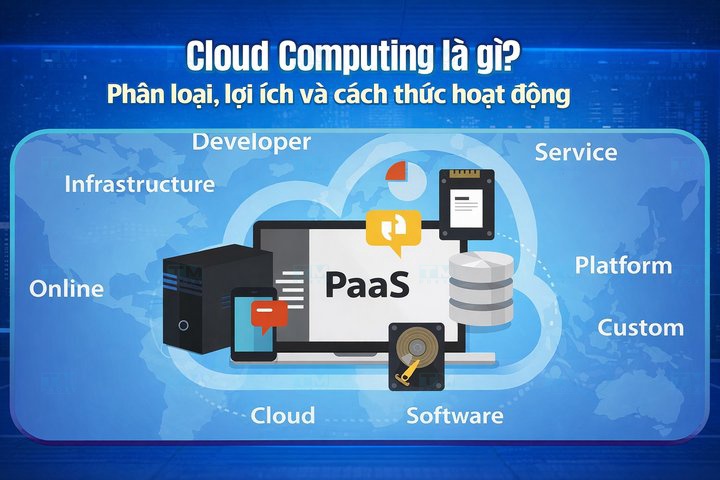
Cloud computing is a technology model that delivers server resources, storage, and applications over the internet on demand. This article helps you understand the concept, types, benefits, and target users of cloud computing.
High-Speed Proxy - Ready to Try?
ALGO Proxy offers residential, datacenter & 4G proxies in 195+ countries
What is Cloud Computing?

Cloud computing can be simply understood as an information technology model that provides users with the ability to access and use remote network resources via the internet. These resources include virtual servers, software applications, storage services, and much more. Instead of investing in expensive on-premises physical infrastructure, users can now rent these services on demand and pay based on usage.
This approach helps reduce risk and costs for businesses. They no longer need to worry about maintaining hardware or upgrading software — they can focus on growing their business.
Who Uses Cloud Computing?
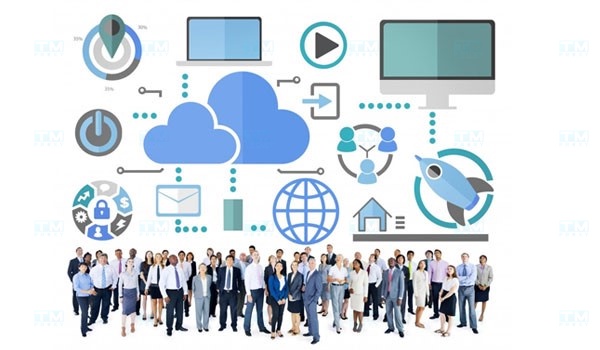
Cloud computing is a modern technology that stores and processes data over the internet, bringing convenience and efficiency to many fields. The main users of cloud computing include:
- Large enterprises: Use cloud computing to store data, deploy applications, analyze big data, and manage IT systems.
- Small and medium enterprises (SMEs): Leverage cloud computing to save on infrastructure investment costs and use services such as data storage, email, and customer relationship management (CRM).
- Startups: Adopt cloud computing to rapidly develop applications, scale flexibly, and easily control costs.
- Education sector: Cloud computing supports online learning, stores teaching materials, and provides remote learning platforms.
- Healthcare sector: Uses cloud computing to store medical records, share patient information, and deploy healthcare support applications.
- Finance sector: Cloud computing helps process transactions, store financial data, and deploy digital banking services.
- Individual users: Use cloud computing to store photos, videos, documents, and synchronize data across multiple devices.
Benefits of Using Cloud Computing

Cloud computing offers numerous outstanding benefits for individuals and businesses:
- Cost savings on investment: No need to purchase hardware equipment or maintain server systems — users only pay for what they use.
- Flexible scalability: Easily scale resources up or down, including storage capacity, bandwidth, or services as needed.
- Access anytime, anywhere: With just an internet connection, users can work or access data on various devices.
- Data safety and security: Providers implement advanced security measures such as encryption, firewalls, and regular data backups.
- Optimized work performance: Tools and software are automatically updated, ensuring users always have the latest version.
- Team collaboration support: Online document sharing and editing features improve collaboration capabilities.
- Data recovery assurance: Cloud computing provides backup and data recovery services, minimizing risk in case of incidents.
Types of Cloud Computing
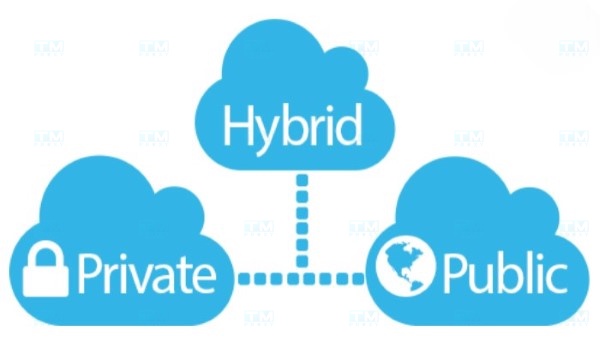
Cloud computing is divided into three main types, each with different characteristics and use cases:
- Infrastructure as a Service (IaaS): Provides infrastructure such as virtual servers, data storage, and networking. Users can customize and manage the system according to their needs. Examples: Amazon Web Services (AWS), Google Compute Engine.
- Platform as a Service (PaaS): Provides a software development platform, including programming environments, development tools, and database management. Examples: Google App Engine, Microsoft Azure.
- Software as a Service (SaaS): Delivers software over the internet, allowing users to use it directly without installation. Examples: Google Workspace, Dropbox.
Depending on their needs, businesses can choose one or combine multiple types of cloud computing to meet their objectives.
What is DHCP? Overview of the IP Address Allocation Protocol
Conclusion: Cloud computing is an essential technology that helps save costs, optimize performance, and enhance data security for everyone — from individuals to large enterprises.