





DNS Sinkhole is a cybersecurity technique that redirects malicious DNS queries to a controlled IP address, preventing malware from connecting to C&C servers. This article analyzes how DNS Sinkhole works, how to deploy it, and real-world examples.
High-Speed Proxy - Ready to Try?
ALGO Proxy offers residential, datacenter & 4G proxies in 195+ countries
What is DNS Sinkhole?
DNS Sinkhole (also known as DNS sinkholing) is a cybersecurity technique that redirects malicious or unwanted DNS queries to a controlled IP address. The primary purpose of DNS Sinkhole is to prevent malware-infected systems from connecting to command and control (C&C) servers and to limit the spread of malware within the network.
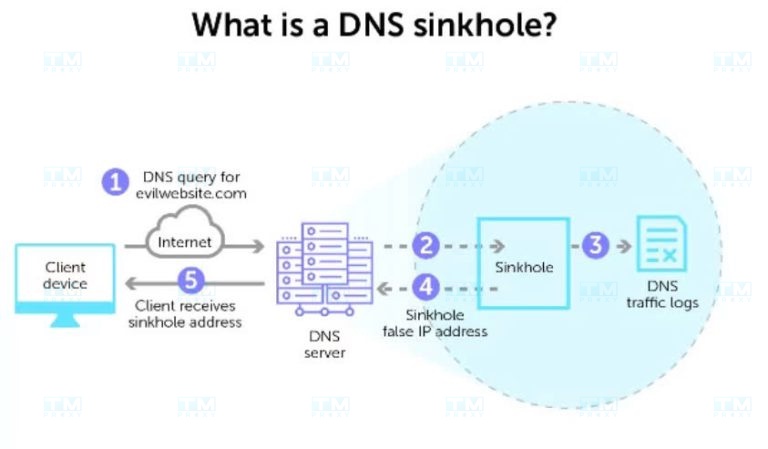
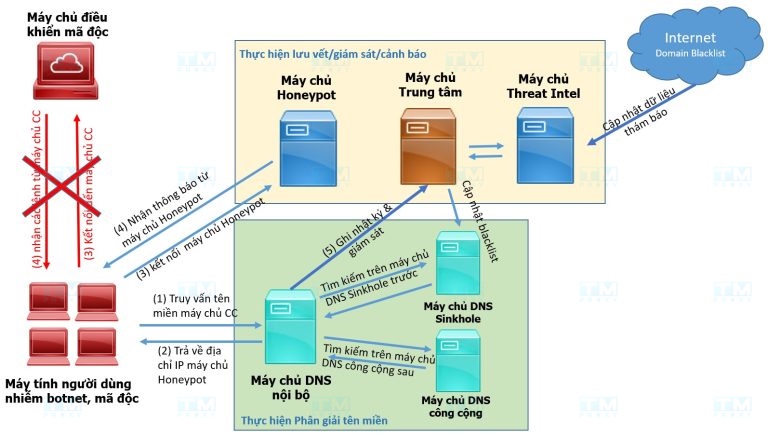
When an internal device infected with malware attempts to connect to a C&C server through a malicious domain name, DNS Sinkhole blocks the DNS query and redirects it to a harmless IP address managed by the security team. This helps isolate the infected device while providing critical information about the malware's activity.

How DNS Sinkhole Works Technically
The DNS Sinkhole system operates by configuring the organization's DNS server to perform the following steps:
- Collect and analyze a list of dangerous or malicious domain names.
- Replace the DNS response for queries related to these domains with the IP address of a "sinkhole server."
- The "sinkhole server" records information about the infected device and reports to the cybersecurity team.
- Isolate and prevent malware activity by blocking connections to the actual command and control server.
The coordination between components in the DNS Sinkhole architecture significantly reduces information security risks caused by malware.
The Importance of DNS Sinkhole in Cybersecurity
DNS Sinkhole plays an essential role in protecting an organization's network systems against threats from malware.
- Preventing malware spread: DNS Sinkhole blocks malware from accessing C&C servers, limiting their ability to spread within the internal network.
- Protecting sensitive data: By isolating infected devices, this technique prevents the theft of critical data being sent to malicious servers.
- Providing intelligence on malware activity: DNS Sinkhole logs communications from infected devices, helping the security team better understand the scale and nature of the attack.
- Reducing incident remediation costs: This technique enables early detection of infected devices, reducing the time and cost needed to investigate and handle cybersecurity incidents.
With these benefits, DNS Sinkhole is an indispensable solution in the cybersecurity strategy of any organization.

How Does DNS Sinkhole Work?
To better understand how DNS Sinkhole operates, let us examine the following steps:
- Malware infiltrates an internal device within the organization.
- The malware attempts to connect to a C&C server through a malicious domain name.
- Instead of returning the real IP address of the C&C server, DNS Sinkhole redirects the query to a "sinkhole server."
- The "sinkhole server" records information about the infected device and notifies the security team.
- The connection between the infected device and the C&C server is blocked, preventing the spread of malware.
During this process, DNS Sinkhole acts as a "black hole" (sinkhole) to attract and neutralize malicious DNS queries. This allows the organization to proactively and effectively prevent threats from malware.
Deploying DNS Sinkhole in an Organization
To successfully deploy DNS Sinkhole in an organization, the following steps need to be taken:
Choosing a sinkhole solution
Depending on the scale, infrastructure, and security needs, the organization must choose an appropriate DNS Sinkhole solution. Common options include:
- Building an in-house sinkhole system
- Using a third-party DNS Sinkhole service
- Integrating sinkhole functionality into existing security products
Creating and maintaining domain lists
A critical component of DNS Sinkhole is the list of malicious domains to block. The organization needs to continuously update and expand this list based on:
- Threat intelligence sources
- Malware behavior analysis
- Reports from the security community
- Data from internal monitoring systems
Maintaining a high-quality domain list is essential to ensure the effectiveness of DNS Sinkhole.
Configuration and integration
After obtaining the domain list and sinkhole solution, the organization needs to perform the following configuration and integration steps:
- Configure the organization's DNS server to redirect queries related to malicious domains.
- Ensure all devices on the network use the DNS server configured with sinkhole.
- Integrate the sinkhole system with other security tools such as SIEM and EDR for comprehensive visibility and rapid response capabilities.
Careful deployment and configuration are key factors for DNS Sinkhole to maximize its effectiveness in the organization's cybersecurity system.
Limitations and Potential Risks of DNS Sinkhole
Alongside its clear benefits, using DNS Sinkhole also comes with certain limitations and risks to be aware of:
False alerts and missing real threats
If the sinkhole domain list is not updated regularly and accurately, the organization may encounter:
- False positives: Blocking access to legitimate domain names
- False negatives: Allowing malicious domains not yet added to the list to slip through
Therefore, careful maintenance and updating of the domain list is crucial to minimize these risks.
What is Alibaba Cloud? Asia's No.1 Trusted Cloud Computing Service
Evasion techniques by sophisticated attackers
Experienced attackers can use techniques to bypass DNS Sinkhole, such as:
- Fast Flux: Continuously changing the IP addresses associated with malicious domains
- Domain Generation Algorithms (DGA): Generating large numbers of random domain names to avoid being listed in the sinkhole
To counter this, organizations need to combine DNS Sinkhole with other security measures such as behavioral analysis and artificial intelligence to detect sophisticated evasion techniques.
Resource and maintenance costs
Deploying and maintaining a DNS Sinkhole system requires significant resources for:
- Hardware and bandwidth for the "sinkhole server"
- Personnel to monitor, update domain lists, and handle incidents
Organizations need a proper resource allocation plan to operate the sinkhole system efficiently without impacting overall operations.
Potential slowdowns and performance issues
In some cases, redirecting DNS queries can lead to higher latency, affecting user experience. Performance issues may occur if:
- The "sinkhole server" lacks the capacity to handle large query volumes
- The sinkhole configuration is not optimized
- The organization's network is overloaded
To minimize these negative impacts, organizations need to closely monitor system performance and adjust configurations as needed.
Dependence on reliable DNS infrastructure
The effectiveness of DNS Sinkhole heavily depends on the reliability and security of the DNS infrastructure being used. If the organization's DNS server is attacked or compromised, attackers can bypass the sinkhole mechanism or disrupt the overall network operations.
Therefore, alongside deploying DNS Sinkhole, organizations also need measures to protect and monitor their DNS infrastructure, ensuring integrity and high availability.

Reasons to Use DNS Sinkhole
Despite certain limitations, DNS Sinkhole remains an indispensable technique in the cybersecurity strategy of organizations, with the following key benefits:
- Enhanced security capabilities: DNS Sinkhole provides a critical layer of protection, preventing malware from connecting to command and control servers and stealing data.
- Early threat detection: This technique enables early detection of infected devices on the network, allowing the security team to respond promptly.
- Improved incident response: Information collected from DNS Sinkhole provides important context for investigating, analyzing, and effectively responding to cybersecurity incidents.
- Cost and resource savings: By preventing the spread of malware, DNS Sinkhole helps reduce the cost and resources needed to remediate the consequences of attacks.
- Compliance with security regulations and standards: Deploying DNS Sinkhole is one of the measures that helps organizations meet information security requirements and comply with regulations and standards such as GDPR, HIPAA, and PCI DSS.
With these benefits, DNS Sinkhole has become a popular and indispensable solution in the cybersecurity systems of many organizations worldwide.
How to Get Started with DNS Sinkhole
To get started with DNS Sinkhole, organizations need to follow these steps:
- Assess needs and define specific security objectives for the organization.
- Research and select an appropriate DNS Sinkhole solution (build in-house, use a third-party service, or integrate with existing security products).
- Develop and maintain a list of malicious domains to block, based on threat intelligence sources and malware behavior analysis.
- Configure the organization's DNS system to redirect malicious queries to a "sinkhole server."
- Establish procedures for monitoring, updating domain lists, and handling alerts from the DNS Sinkhole system.
- Train and raise employee awareness about the role of DNS Sinkhole in the overall cybersecurity strategy.
By following the steps above, organizations can successfully deploy DNS Sinkhole and significantly enhance their network protection against threats from malware.
Examples of DNS Sinkhole Use Cases
Below are some typical examples of how organizations use DNS Sinkhole to protect their network systems:
Using DNS Sinkhole to Stop CryptoLocker
CryptoLocker is a dangerous type of ransomware that encrypts victims' important files and demands ransom for decryption. To prevent the spread of CryptoLocker, many organizations deployed DNS Sinkhole with the following steps:
- Identify the list of malicious domains associated with CryptoLocker.
- Configure the DNS system to redirect queries to these domains to a "sinkhole server."
- Monitor and analyze data from the "sinkhole server" to detect and isolate devices infected with CryptoLocker on the network.
By applying the DNS Sinkhole technique, organizations were able to prevent the spread of CryptoLocker, minimize damage, and protect their critical data.
The WannaCry Ransomware Attack of 2017
In May 2017, the WannaCry ransomware attack affected hundreds of thousands of computers worldwide. To respond to this attack, many organizations used DNS Sinkhole as a protective measure:
- As WannaCry spread, security experts quickly identified a "kill switch" -- a domain name that WannaCry checked before encrypting data.
- By registering and sinkholing this domain, researchers inadvertently activated the "kill switch," significantly slowing the spread of WannaCry.
- Many organizations also deployed internal DNS Sinkholes, redirecting queries related to WannaCry to protect their systems.
The WannaCry case demonstrated the importance of DNS Sinkhole as an effective tool for rapidly responding to large-scale ransomware attacks.
{{< test-result title="Comparison of DNS Protection Solutions" headers="Criteria|DNS Sinkhole|DNS Firewall|Pi-hole|DNSSEC" row1="Purpose|Block malware C&C|Content filtering|Block ads + malware|DNS authentication" row2="Scope|Enterprise network|Enterprise network|Home/small network|Global" row3="Cost|Medium|High|Free|Free" row4="Complexity|Medium|High|Low|Medium" row5="Best for|SOC, enterprises|Large enterprises|Individuals, SMEs|All scales" />}}
Conclusion: DNS Sinkhole is an effective cybersecurity technique that redirects malicious DNS queries to prevent malware from connecting to C&C servers. This technique has been proven through real-world cases such as CryptoLocker and WannaCry. Despite some limitations like false positives and DGA evasion techniques, DNS Sinkhole remains an indispensable component in an enterprise's network defense system.