





A data center is a specialized facility for storing, processing and managing digital data, serving as the foundation for business operations in the digital era. This article covers how data centers work, key components and international Tier standards.
High-Speed Proxy - Ready to Try?
ALGO Proxy offers residential, datacenter & 4G proxies in 195+ countries
What is a Data Center?
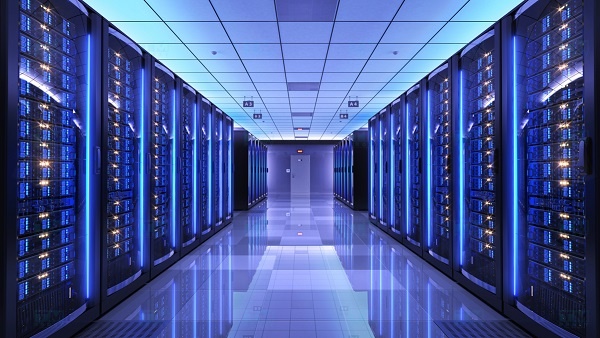
A data center is a specialized facility designed to store, process and manage large volumes of digital data. It typically includes computer systems, storage devices, network infrastructure and supporting equipment.
Data centers operate 24/7, ensuring data availability and security. They function as massive data warehouses where critical business information is professionally protected and managed.
Common Data Center Types
- Traditional Data Center: Built and managed by the enterprise itself.
- Colocation Data Center: Leases space and infrastructure within an existing data center.
- Data Center Proxy: Acts as an intermediary server between users and data center servers.
What is Colocation?
Colocation allows businesses to rent space and infrastructure to place their own equipment and servers. Customers benefit from existing infrastructure: backup power, cooling systems, security and high-bandwidth network connectivity, significantly reducing costs.
What is a Data Center Proxy?
A Data Center Proxy acts as a connection point between users and servers. Its primary functions are hiding user IP addresses, enhancing security and improving page load speeds.
How Data Centers Work
Data centers operate on the principle of tight integration between hardware, software and network systems:
- End devices (computers, phones, sensors) send data to the data center.
- Data is stored in hard drives, tape or cloud storage systems.
- Servers and software process data based on requests.
- The network system retrieves and distributes data to end devices.
- Management systems monitor and control all operations.
What is a Rotating Proxy? Benefits of Using Rotating Proxies
Data Center Components
Computing
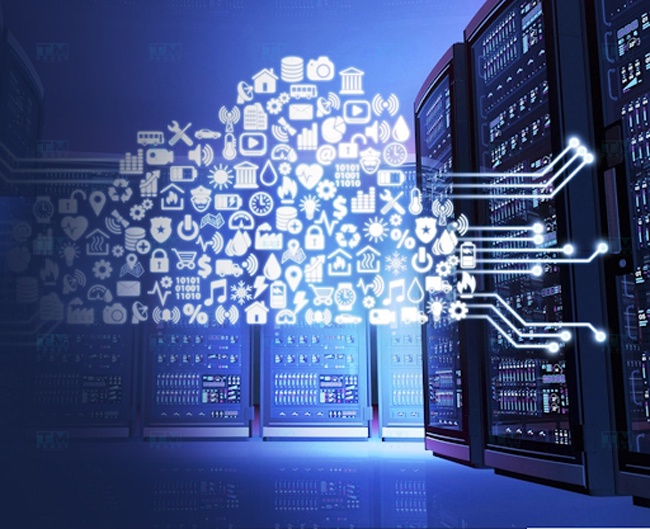
Servers are the primary devices for data processing, running applications and storing information. CPUs are the "brain" executing instructions, RAM stores data being processed, and network cards connect servers to the network.
Storage
- NAS/SAN: Provides centralized storage capacity, allowing multiple servers to access simultaneously.
- HDD: Traditional storage devices with lower cost.
- SSD: Faster access speeds than HDD, improving performance.
Networking
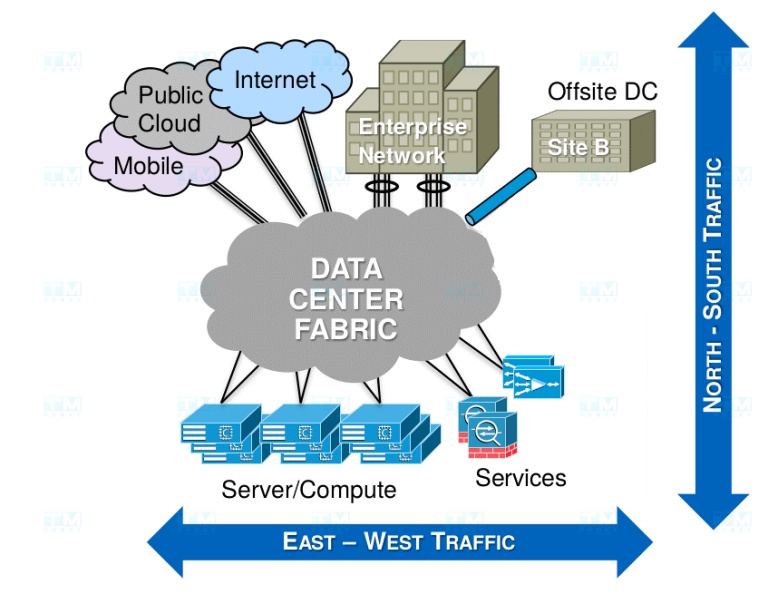
- Switch/Router: Forwards data between servers and network devices.
- Firewall: Blocks unauthorized access and protects against security threats.
- Load Balancer: Distributes traffic across multiple servers.
- Gateway: Connects the data center to the Internet and other networks.
Roles of a Data Center
- Data storage and protection: Customer information, operational data and software applications are stored securely.
- Online service platform: Websites, email, software applications and cloud computing services.
- Business performance enhancement: Supports continuous and efficient operations.
Who Should Use a Data Center?
- SMEs: Store data and run applications without large investments.
- Large enterprises: Store massive data and manage complex IT systems.
- Government organizations: Secure critical information and serve administrative management.
- ISPs and Cloud providers: Platform for developing and delivering services.
International Standard Tier Levels
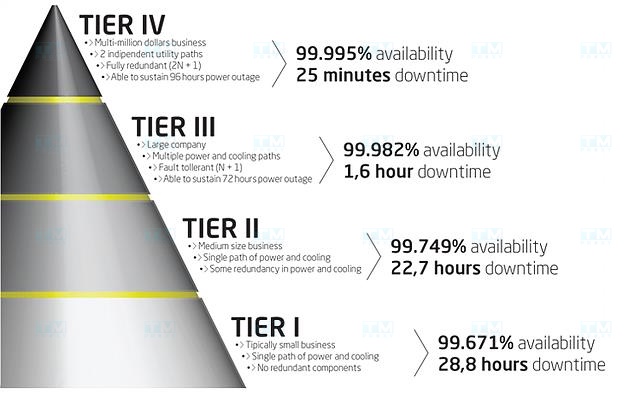
According to Uptime Institute standards, data centers are classified into 4 Tier levels:
Tier 1 (99.671% uptime): Simple structure, minimal redundancy. Suitable for small businesses not requiring high availability.
Tier 2 (99.749% uptime): Basic redundancy systems (backup power, cooling). Suitable for SMEs.
Tier 3 (99.982% uptime): Allows maintenance without service disruption. Suitable for large enterprises requiring continuous operation.
Tier 4 (99.995% uptime): Highest level, withstands failures without affecting service. Ideal for organizations needing maximum security and absolute stability.
Data Center Security Measures
- Physical access control: Camera systems, access cards, strict security control.
- Network access control: Firewalls, IDS/IPS to prevent Internet threats.
- Data backup and recovery: Regular backups, rapid recovery during incidents.
- Remote monitoring and management: Centralized monitoring and management systems.
- Staff training: Raising awareness of cybersecurity and preventive measures.
Conclusion: Data centers are a critical foundation for business operations in the digital era, from secure data storage to high availability. Choosing the right Tier level and appropriate security measures helps optimize cost and performance.