






Residential proxies use real IP addresses from home networks, enabling high anonymity and making it extremely difficult for websites to detect your traffic. This article explains what a residential proxy is, how it works, its real-world applications, pros and cons, and the risks you should understand before using one.
High-Speed Proxy - Ready to Try?
ALGO Proxy offers residential, datacenter & 4G proxies in 195+ countries
What Is a Residential Proxy?
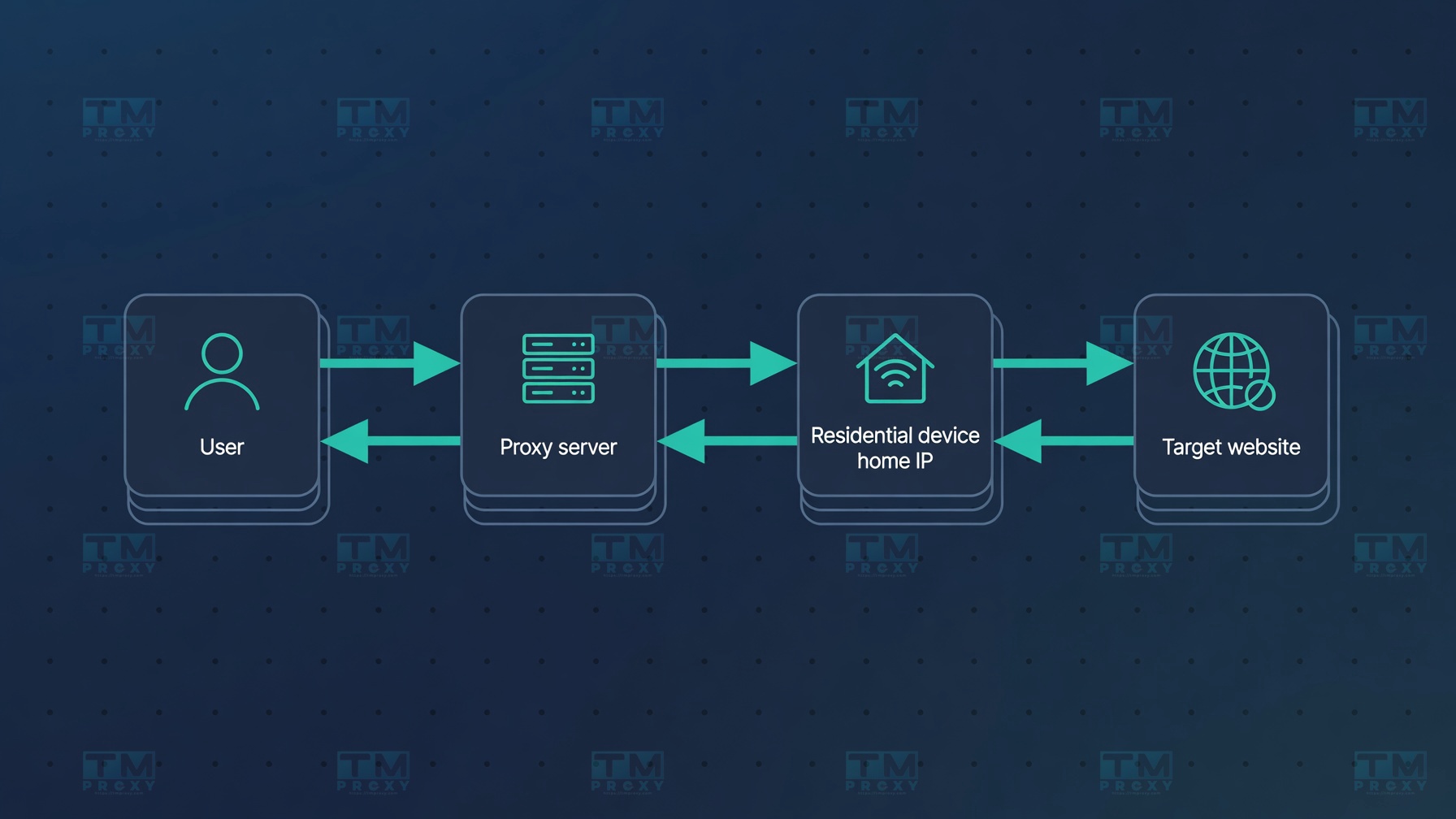
A residential proxy — or Residential Proxy — is a type of proxy that uses a real IP address assigned by an internet service provider (ISP) to a household device (router, smartphone, or computer). When you use a residential proxy, you essentially "borrow" the IP of an ordinary internet user to browse the web, so websites and online services cannot determine your true location — protecting your privacy and dramatically reducing the risk of being blocked.
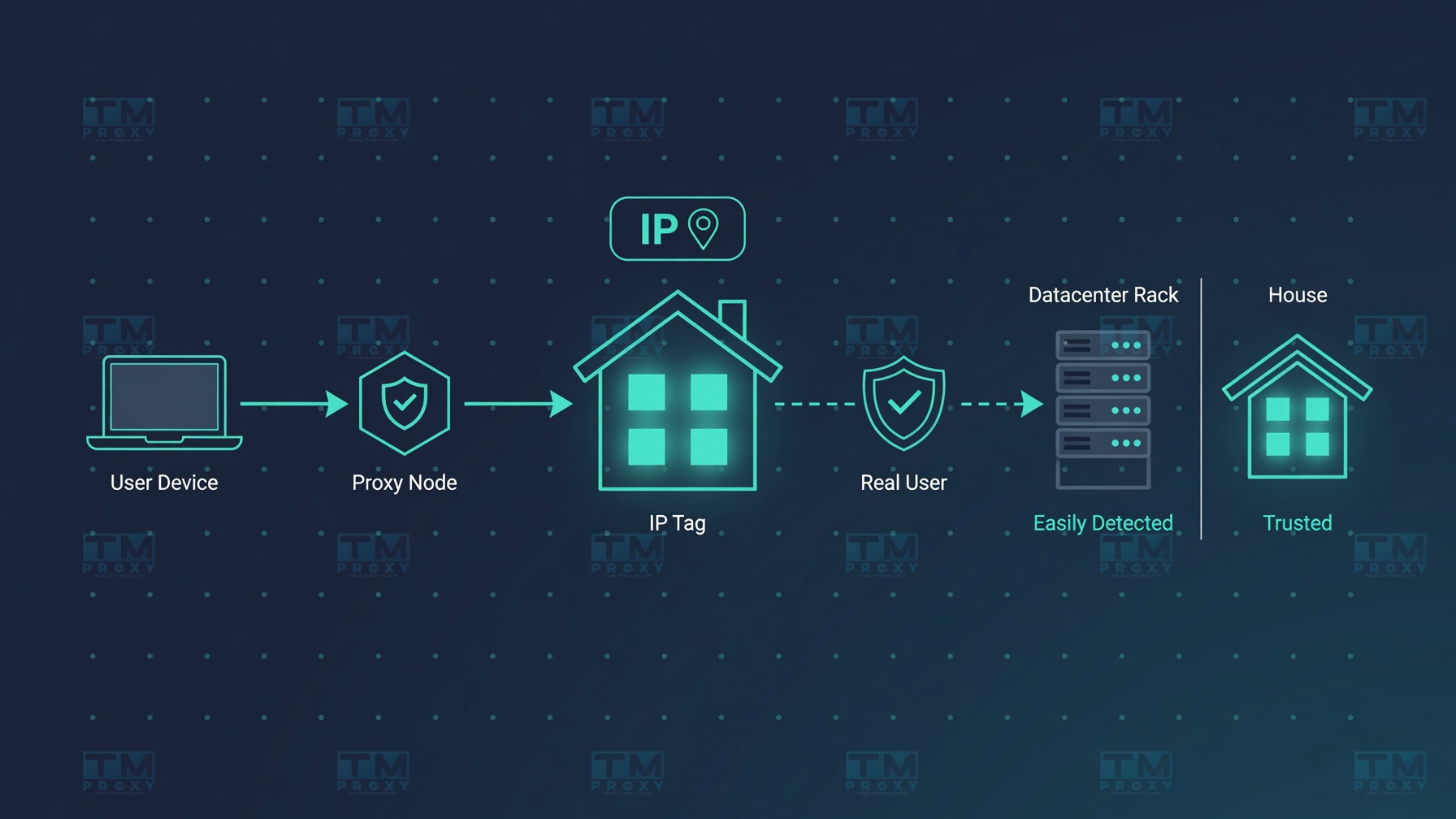
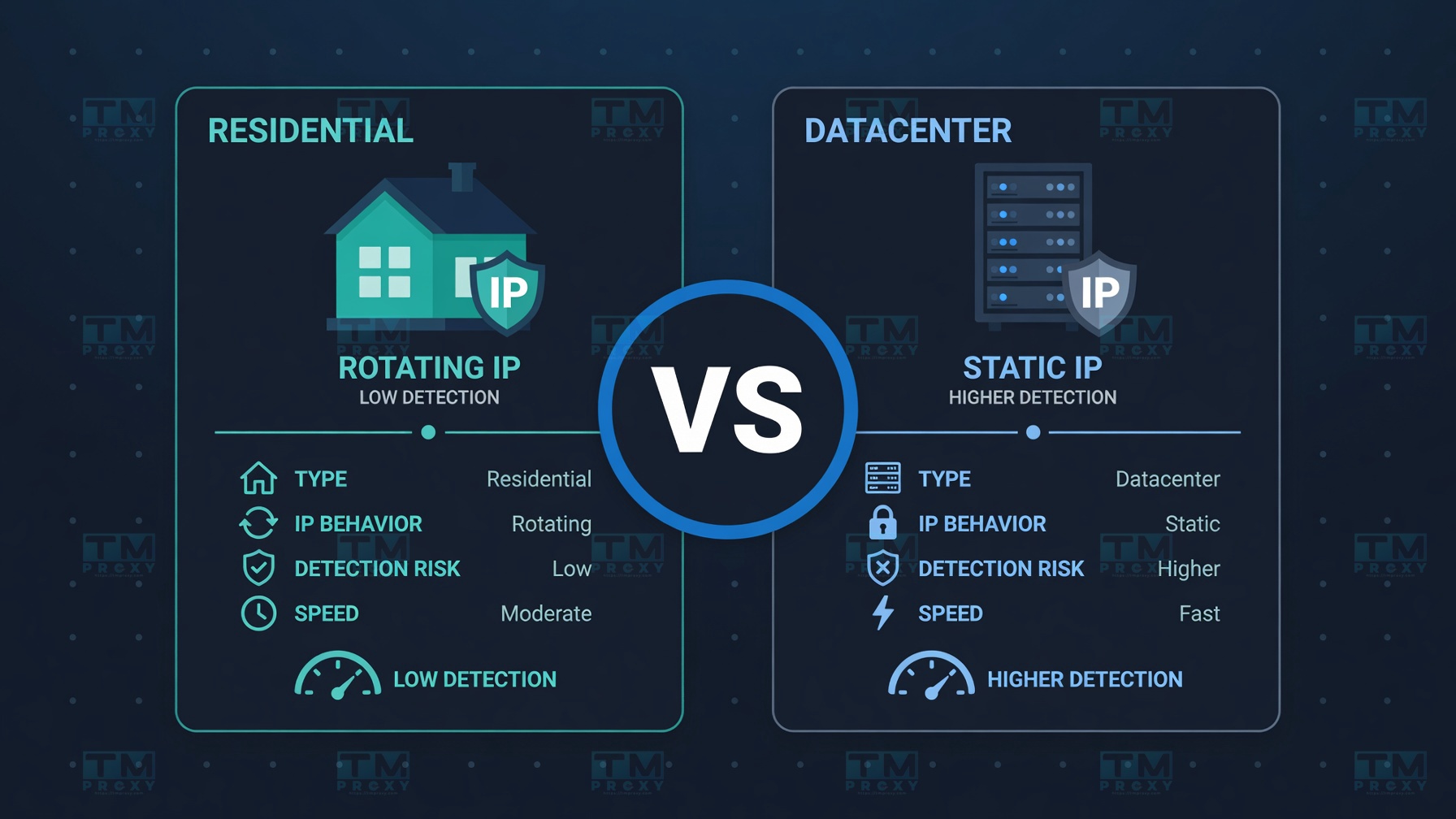
The fundamental difference: a residential IP looks exactly like a real person browsing the internet from home, whereas a datacenter IP falls within address ranges that are easily recognized as proxy traffic.
Advantages of Residential Proxies
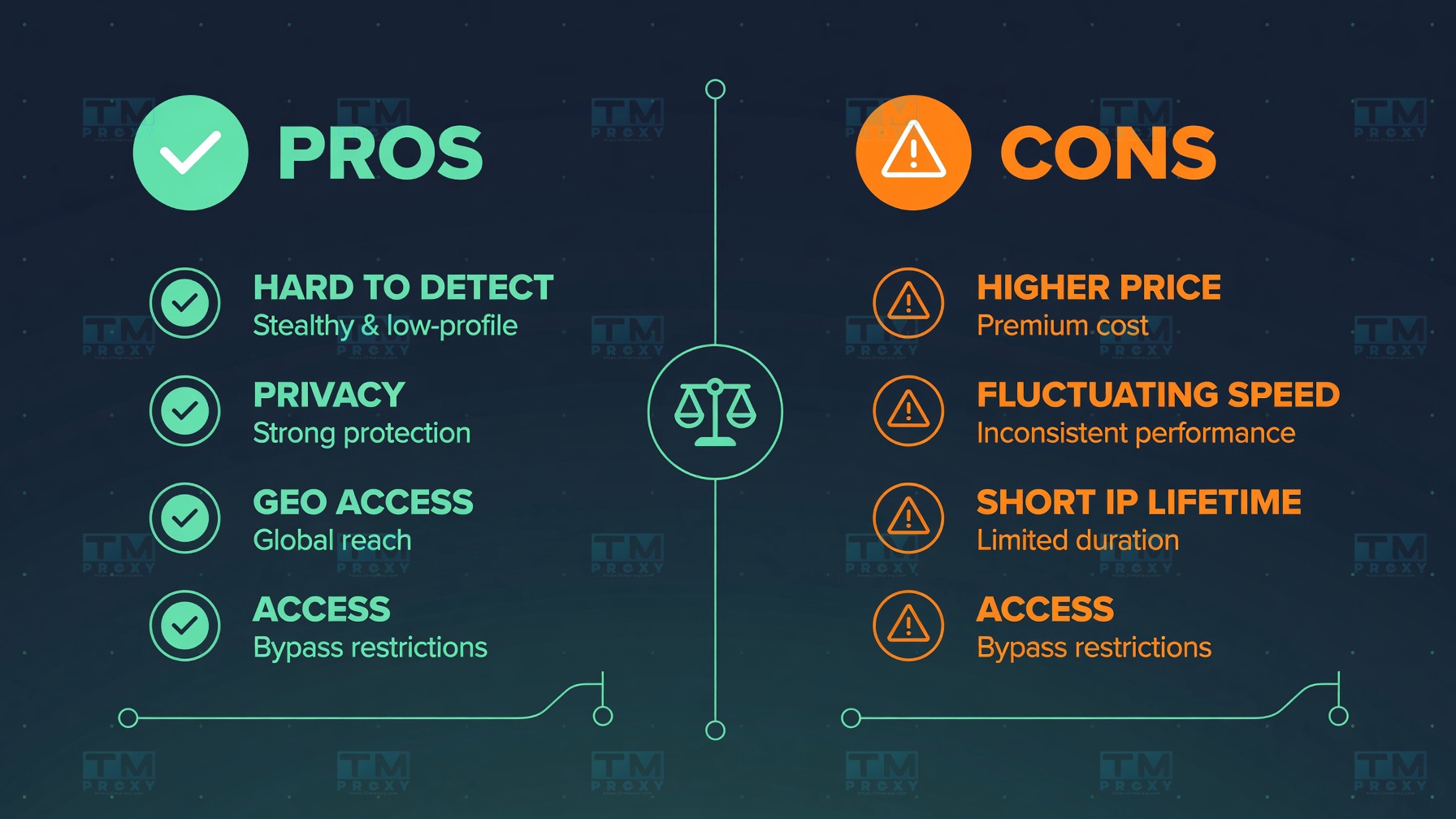
- Hard to detect: Real ISP-assigned IPs result in far lower block rates compared to datacenter proxies.
- Privacy protection: Masks your real IP, preventing websites from tracking or harvesting your personal information.
- Access geo-restricted content: Simulate a specific location to reach content that is otherwise unavailable in your region.
- Suitable for sensitive tasks: Account management, ad verification, and data collection on sites with strong anti-bot systems.
Disadvantages of Residential Proxies
- Higher cost than datacenter proxies: Maintaining a large network of real IPs requires significant infrastructure investment.
- Speed can fluctuate: Depends on the home internet connection of the device supplying the IP.
- IPs are not permanent: Residential IPs rotate continuously by design — a risk that needs to be managed (see the section below).
How Residential Proxies Work
Residential proxies operate as an intermediary layer between the user, the proxy server, and the residential device whose IP is being used.
Connecting to the Proxy Server
The user connects to the provider's proxy server — typically by configuring the proxy in a browser, application, or device (entering the IP address and port, along with authentication credentials if required).
IP Address Substitution
The proxy server replaces your real IP with an IP drawn from its residential network — sourced from an active personal device in the pool.
Internet Access and Data Routing
Every request you make passes through the proxy server: the proxy forwards the request to the target website, receives the response, and sends it back to your browser. The website only sees the residential IP — never your real one.
Risks of Using Residential Proxies You Should Know
Residential proxies are powerful, but they are not "risk-free." There are four key risks to manage:
- IPs don't last: Because these are real household IPs, when the device goes offline the IP disappears — residential proxies rotate by their very nature.
- Constant IP changes: Great for crawling, but harmful for account management (an account that keeps switching IPs is more likely to be flagged as suspicious).
- Shared IPs may already be "dirty": If an IP was abused previously, it may already appear on blacklists.
- Security risks: Unscrupulous providers (especially free proxies) may log or sell your data.
What Are the Risks of Using Residential Proxies? How to Minimize Them
Use Cases for Residential Proxies
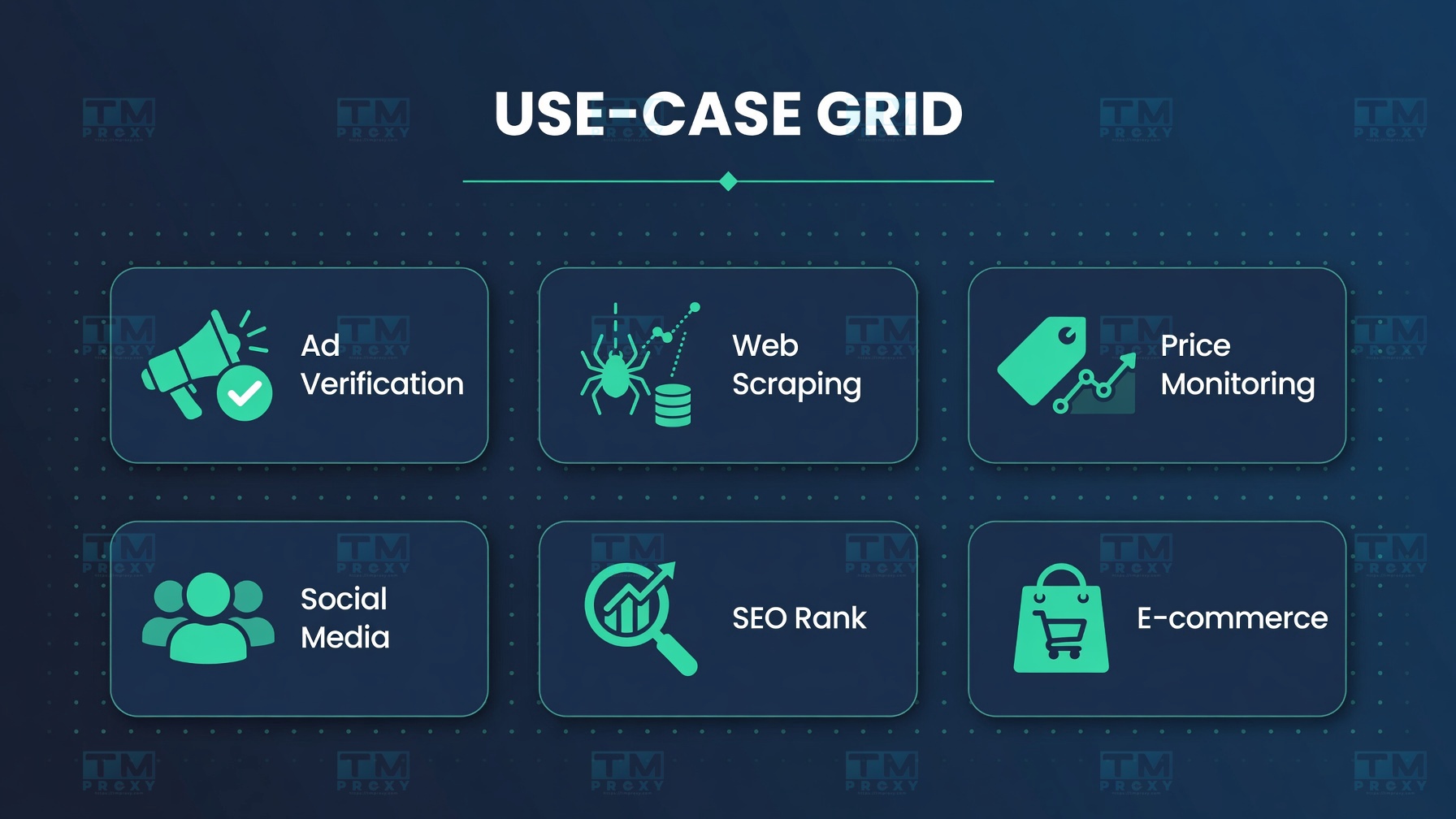
- Ad verification: Check that ads display correctly and perform as expected in specific geographic regions.
- Web scraping: Collect data without being detected or blocked — useful for SEO research and market intelligence.
- Market price monitoring: Track product prices across multiple websites simultaneously to support business decisions.
- Social media management: Operate multiple accounts without triggering violation flags.
- SEO compliance: Check keyword rankings from different geographic regions.
- E-commerce account management: Manage multiple Amazon, eBay, or Shopee accounts more safely.
Residential Proxy vs. Datacenter Proxy — Detailed Comparison
| Feature | Residential Proxy | Datacenter Proxy |
|---|---|---|
| IP Source | Household devices | Data centers |
| Detection Risk | Very low | High |
| Reliability / Anonymity | High | Low |
| IP Lifespan | Short, rotates continuously | Static, long-lasting |
| Speed | Fairly stable, slight fluctuation | Very fast |
| Price | Higher | Low |
| Best For | Account management, scraping, marketing | Speed-critical, low-sensitivity tasks |
Residential proxies are the right choice when you need high anonymity and are performing sensitive tasks; datacenter proxies are better suited for speed-dependent, less sensitive work at lower cost.
Choosing a Residential Proxy Provider — Why TMProxy
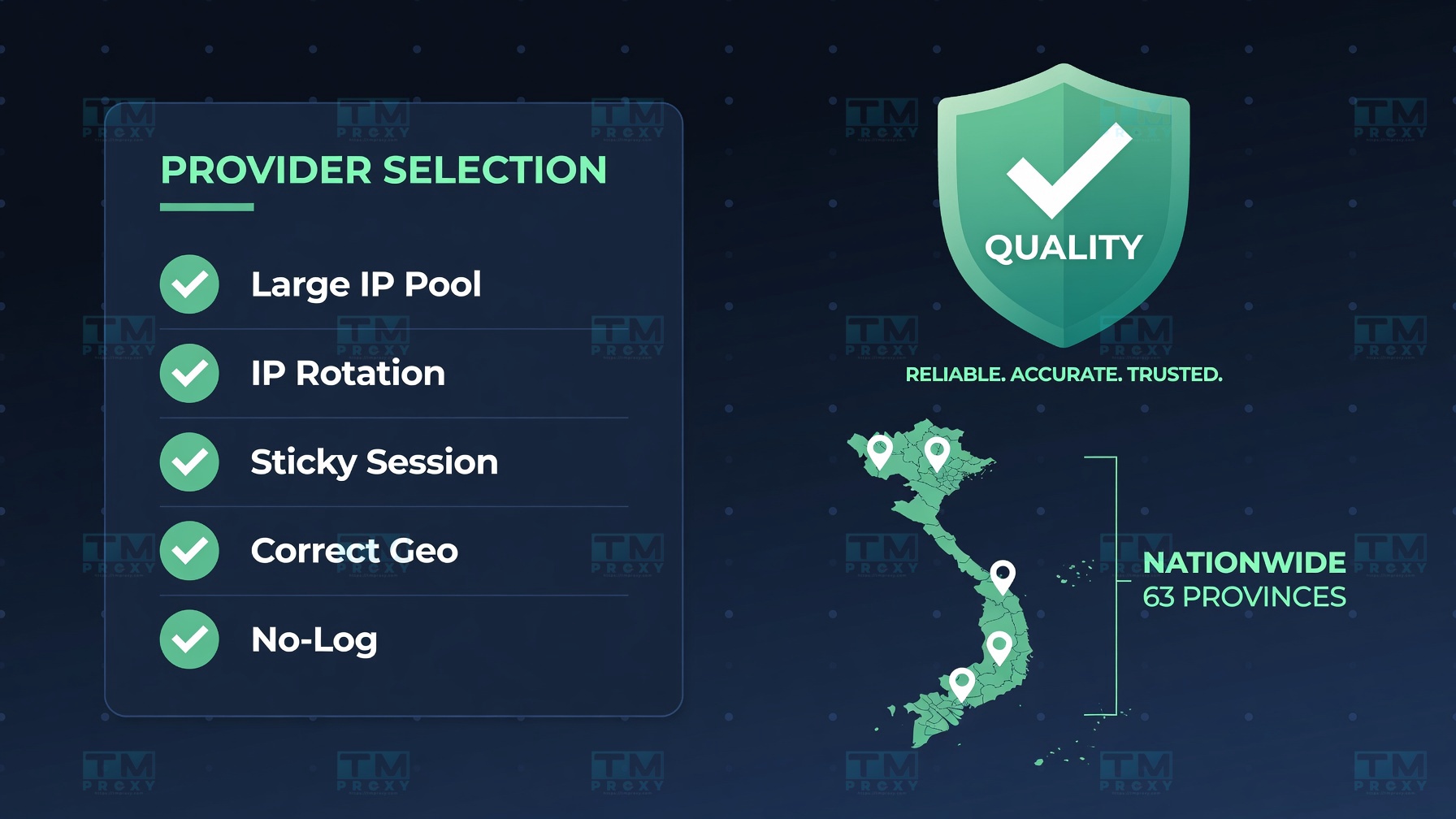
When evaluating a residential proxy service, check: whether the IP pool is large and clean, whether both rotating IPs and sticky sessions are supported, whether IPs are available in the regions you need, and whether there is a genuine no-log commitment.
In Vietnam, TMProxy is the residential proxy provider that meets all of these criteria: millions of real residential IPs covering all 63 provinces, targeting by province and ISP (Viettel, VNPT, FPT), support for both rotating and stable IPs, a commitment to never selling "dead" proxies before they expire, and full support for HTTP/HTTPS and SOCKS5 — all starting from just 5.000đ/day.
Conclusion: Residential proxies are the most anonymous and hardest-to-block solution because they use real IPs from home networks, making them ideal for account management, scraping, and marketing. The key is managing the risk of impermanent IPs wisely — and choosing a reputable provider like TMProxy to turn that inherent weakness into a competitive advantage.