






SEO Proxy is an intermediary server that helps mask your IP address, supporting effective search engine optimization activities. This article helps you understand SEO Proxy, how it works, its benefits, and how to use it to enhance your website's SEO performance.
High-Speed Proxy - Ready to Try?
ALGO Proxy offers residential, datacenter & 4G proxies in 195+ countries
What is an SEO Proxy?

SEO Proxy, also known as a proxy server, is an intermediary server that acts as a bridge between your device and the internet. When you use a proxy, all your internet traffic passes through the proxy server before reaching its final destination. The proxy acts as a "middleman" that hides your real IP address and replaces it with the IP address of the proxy server itself.
When using a proxy, you access the internet as if you were in a different geographic location. This has many practical applications in SEO, especially for market research, keyword ranking checks, and data collection.
How Does a Proxy Server Work?
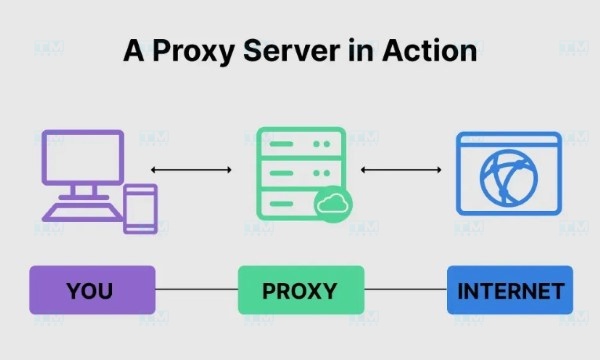
A proxy server operates on a simple principle: it receives requests from your device, processes the request, forwards it to the destination server, receives the results, and returns them to you:
- You send a website access request to the proxy server.
- The proxy server receives the request and checks whether authentication is required.
- The proxy server replaces your real IP address with its own IP.
- The proxy server sends the request to the destination server.
- The destination server returns data to the proxy server.
- The proxy server forwards the data back to your device.
Benefits of Using SEO Proxies
Using SEO proxies provides a range of benefits:
- Avoid detection: SEO proxies help you avoid being blocked by websites when performing repetitive tasks from the same IP.
- Access restricted content: SEO proxies help bypass geographic restrictions by simulating different geographic locations.
- Enhanced security: Helps hide your real IP, protecting personal information.
- Faster access speeds: In some cases, SEO proxies can increase access speeds through caching mechanisms.
Why Should You Use SEO Proxies?
Using SEO proxies provides many practical benefits for search engine optimization activities.
Minimize the Risk of Being Banned
Performing repetitive SEO tasks from the same IP can cause websites to detect and block you. SEO proxies help continuously change your IP, making SEO activities appear as if they come from multiple different sources. This ensures account safety and avoids being flagged as a bot.
Improve SEO Effectiveness
SEO proxies allow you to perform SEO tasks more effectively:
- Keyword ranking checks: Check from multiple geographic locations for a comprehensive view.
- Data collection: Collect data from competitor websites and market data sources.
- Competitor monitoring: Track competitors' SEO strategies to adjust your own strategy.
- Link building: Build backlinks from multiple different sources, strengthening website authority.
Local SEO Optimization
SEO proxies help with accurate geographic targeting for SEO activities:
- Target specific regional customers: Attract potential customers within your operating area.
- Improve Google Maps rankings: Optimize business information on maps.
- Monitor customer reviews: Check reviews from multiple geographic locations.
What is GUI? Pros, Cons, and Components of the Graphical User Interface
What Should the Best SEO Proxy Service Have?

When choosing an SEO Proxy service, you need to consider 3 important factors:
Number of Residential IPs
A quality SEO Proxy service needs to have a large pool of residential IPs from multiple geographic locations. Residential IPs make SEO activities look more natural and help avoid bot detection. The larger the IP pool, the higher the SEO effectiveness.
Location Targeting
Ensure the proxy provider allows you to select IPs from specific countries and regions. Geographic location targeting helps optimize local SEO campaigns, attract potential customers, and improve user experience.
Service Performance
Pay attention to access speed and stability:
- Access speed: Directly affects page load speed, user experience, and indexing capability.
- Stability: Minimizes disruptions during use, ensuring SEO activities run continuously.
How to Use SEO Proxies Effectively
SEO proxies can be used to optimize many different aspects of SEO:
SEO Data Scraping
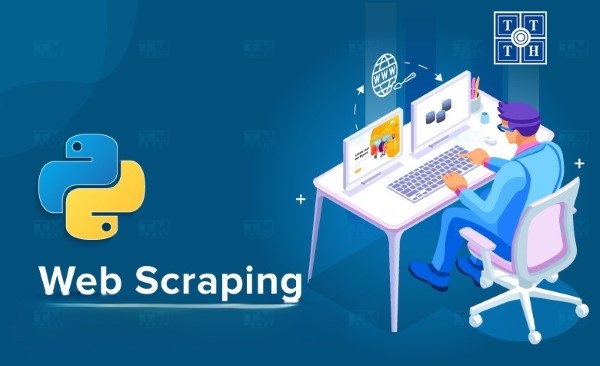
Web scraping is a technique for automatically collecting information from websites, widely used in SEO for: keyword research, competitor analysis, rank tracking, and database building. SEO proxies help mask your IP, create random access requests that mimic real users, and avoid being detected and blocked by websites.
SEO Monitoring and Tracking
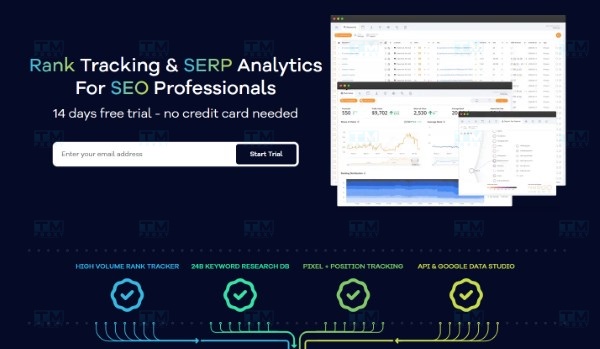
SEO Proxy monitoring helps you collect information about:
- Rank tracking: Track website rankings from multiple geographic locations.
- Backlink analysis: Monitor and check the quality of backlinks pointing to your website.
- Competitor activities: Track competitors' keywords, backlinks, and content strategies.
Website Auditing
SEO proxies help audit websites from multiple locations to detect:
- Broken links: Broken links on the website.
- Duplicate content: Check for duplicate content from multiple angles.
- Page load speed: Test speed from multiple geographic locations.
Competitor Research
SEO proxies allow you to secretly monitor and analyze competitors' SEO activities:
- Backlink analysis: Analyze competitors' backlink sources from multiple locations.
- Content analysis: Track competitors' website content to understand what topics they are focusing on.
- Keyword ranking tracking: Track the keywords competitors are targeting from multiple geographic locations.
Social Media Platform Management

SEO proxies are also used to manage activities on social media platforms:
- Multi-account management: Avoid restrictions from fixed IP addresses.
- Running ads: Run ads from multiple geographic locations, targeting diverse audiences.
- Fanpage management: Manage multiple fanpages and interact with followers.
Building High-Quality Backlinks
SEO proxies help build backlinks to your website from multiple reputable sources:
- Natural link building: Register accounts, create posts, and comment on quality websites without being detected.
- Strengthen website authority: High-quality backlinks help boost credibility in search results.
What is Localhost? Understanding the Functions and Applications of Localhost
Tips to Keep in Mind When Buying SEO Proxies

Paid vs. Free Proxies
Free SEO proxies typically have slow speeds, are unstable, and may pose security risks. Use paid proxies to ensure quality, speed, and security.
Target Location
Choose proxies with IPs matching the geographic location you want to target. For example, if running an SEO campaign in Vietnam, choose proxies with Vietnamese IPs.
Security and Privacy
Choose a provider with a secure security system and SSL encryption support to protect your data.
Speed
Test access speeds before purchasing. Fast speeds help reduce page load times and improve user experience.
Common Types of SEO Proxies
Residential Proxies
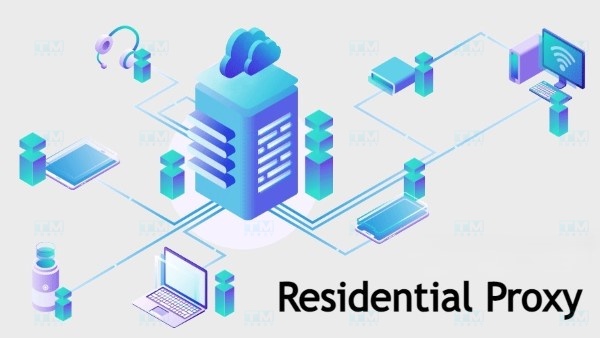
Use IPs from household device networks and personal mobile devices. Advantages: high anonymity, difficult to detect as a bot. Disadvantages: slower speeds, higher costs.
Datacenter Proxies
Use IPs from servers in data centers. Advantages: fast speeds, low cost. Disadvantages: easily detected and blocked, low anonymity.
Mobile Proxies

Use IPs from mobile devices. Advantages: test mobile experiences, increase reliability for mobile SEO. Disadvantages: speed depends on mobile networks, high cost.
ISP Proxies
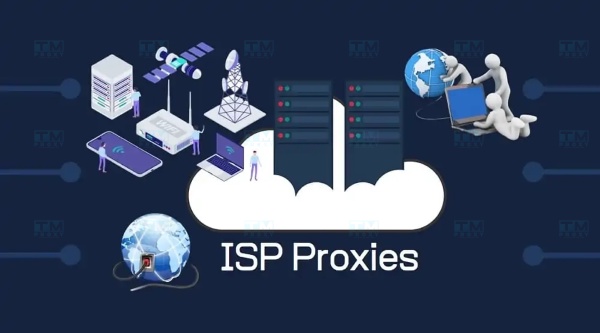
Use IPs from Internet Service Providers (ISPs). Advantages: fast speeds, stable. Disadvantages: low anonymity, easily detected.
Conclusion: SEO Proxy is an indispensable tool in every SEO professional's toolkit, helping mask IP addresses, check keyword rankings from multiple locations, scrape data, and research competitors effectively. When choosing an SEO proxy service, prioritize the number of residential IPs, location targeting capabilities, and stable performance.