





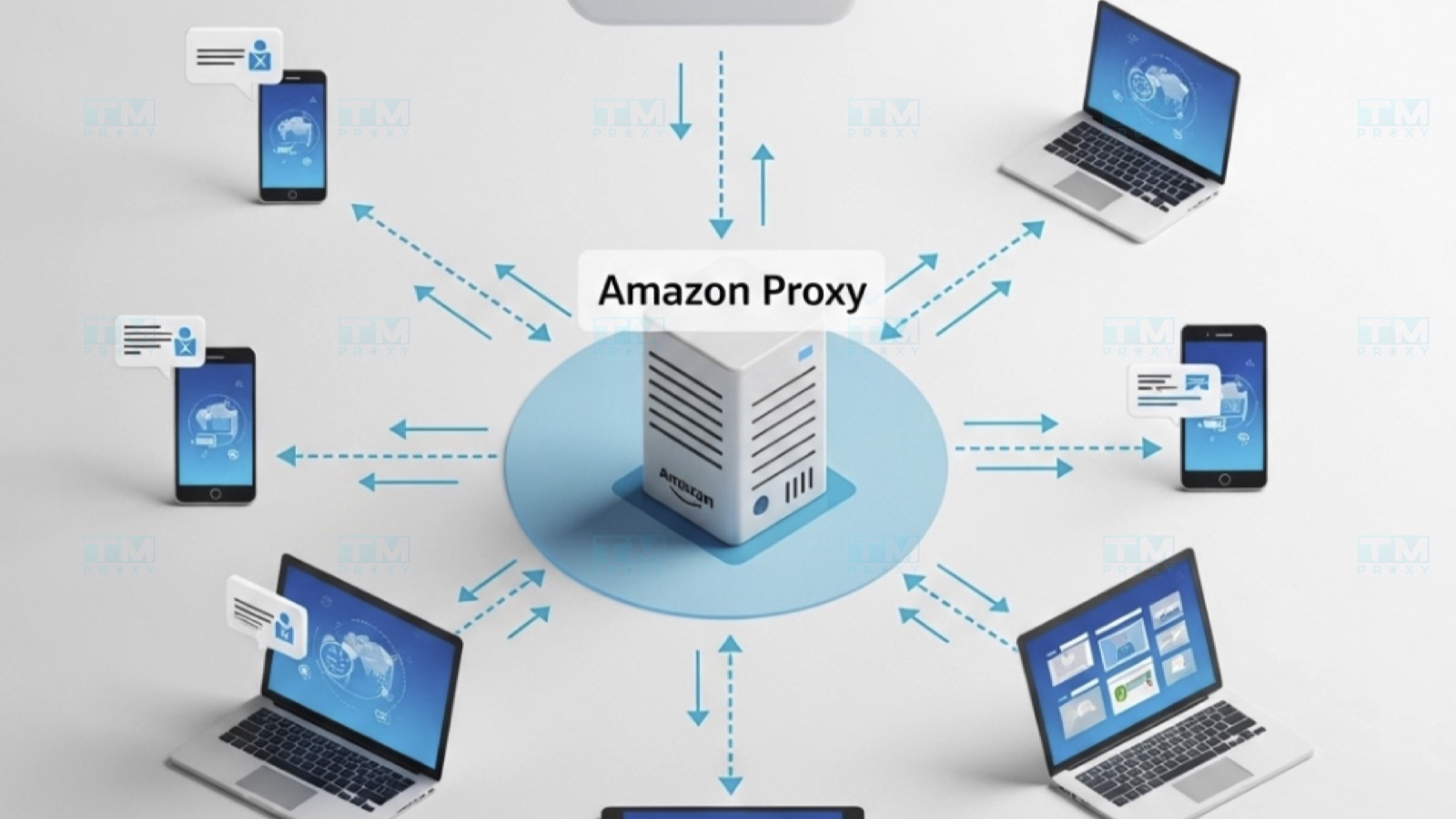
Amazon Proxy helps collect product data, prices, and reviews from the world's largest e-commerce platform without being blocked. This article explains why you need a proxy for Amazon, the best proxy types, and how to scrape effectively.
High-Speed Proxy - Ready to Try?
ALGO Proxy offers residential, datacenter & 4G proxies in 195+ countries
What is an Amazon Proxy?

An Amazon Proxy is a proxy used to access and collect data from Amazon — the world's largest e-commerce platform with over 300 million customers and 12 million products, operating across 20+ marketplaces (Amazon.com, Amazon.co.uk, Amazon.de, Amazon.co.jp...).
Amazon has the most advanced anti-bot system in e-commerce. Without a proxy, you'll encounter:
- Constant CAPTCHAs — Amazon shows CAPTCHA after a few dozen requests.
- IP blocking — temporary or permanent blocks on IPs exhibiting scraping behavior.
- Different content — prices, products, and reviews vary by marketplace and location.
- Redirects — redirecting to main page when bot activity is detected.
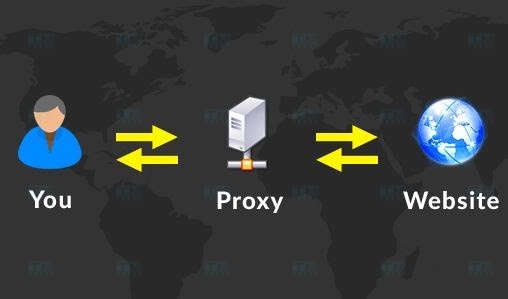
Proxies help rotate IPs, access Amazon like a real user, and collect data from any marketplace.
Why is Amazon Hard to Scrape?
Amazon invests heavily in anti-scraping systems:
| Protection Mechanism | Description |
|---|---|
| Rate limiting | Limits requests/minute from the same IP |
| CAPTCHA | reCAPTCHA when abnormal behavior is detected |
| Fingerprinting | Checks browser, TLS, JavaScript fingerprint |
| Dynamic content | Prices and content rendered via JavaScript |
| Session tracking | Tracks cookies and authenticated sessions |
| Honeypot | Hidden links to trap bots |
| Geo-restriction | Content and prices differ by country |
Amazon also frequently changes HTML structure — scrapers need to continuously update selectors.
Best Proxy Types for Amazon
| Proxy Type | Success Rate | Speed | Price | Best For |
|---|---|---|---|---|
| Residential | 90-95% | Medium | High | Large-scale scraping |
| ISP/Static | 85-90% | Fast | Medium | Daily price tracking |
| Mobile | 95%+ | Medium | Very high | Seller account verification |
| Datacenter | 30-50% | Very fast | Low | Testing, simple tasks |
Residential proxies are the best choice for Amazon because:
- IPs belong to real ISPs — Amazon can't easily distinguish from real users.
- Large IP pool with country-level geo-targeting for each marketplace.
- High trust score, less likely to trigger CAPTCHA.
Datacenter proxies have very low success rates with Amazon — Amazon has built extensive datacenter IP blocklists.
How to Scrape Amazon with Proxies
Step 1: Choose proxy by marketplace
- Amazon.com → US IP proxy.
- Amazon.co.jp → Japan IP proxy.
- Multiple marketplaces → international proxy pool with geo-targeting.
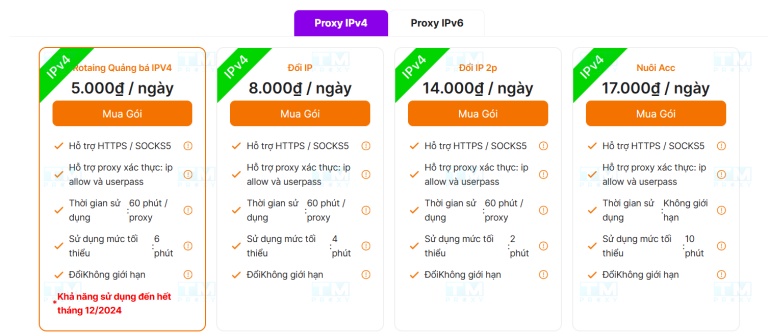
- TMProxy supports international proxies with HTTP/SOCKS5.
Step 2: Choose scraping method
- Amazon Product Advertising API — official, stable but requires affiliate account with limits.
- HTML scraping — Puppeteer/Playwright for full page rendering. Slower but no account needed.
- Amazon SP-API — for sellers, access detailed sales data.
Step 3: Handle anti-bot
- Auto CAPTCHA solving or use high-quality proxies to avoid triggering.
- Simulate real user behavior (scroll, hover, random clicks).
- Maintain cookies/sessions via sticky proxy.
Step 4: Extract data
- Product name, price, rating, review count, BSR (Best Seller Rank).
- Seller info, FBA status, shipping options.
- Store structured data (database, CSV, JSON).
Practical Use Cases
- Price comparison: Collect product prices on Amazon to compare with eBay, Walmart, AliExpress.
- Price tracking: Automatically monitor product price changes over time.
- Product research: Analyze BSR, reviews, ratings to find potential FBA products.
- Competitor monitoring: Track competitors' prices, listings, and reviews on Amazon.
- Review analysis: Collect and analyze review content to understand customers.
- Ad verification: Check Amazon Ads displayed from different regions.
Conclusion: Amazon Proxy is an essential tool for collecting data from the world's largest e-commerce platform. Residential proxies with marketplace-specific geo-targeting are the optimal choice as Amazon has a very strong anti-bot system, particularly effective at blocking datacenter proxies.