






Proxies play a crucial role in security and anonymity when accessing the internet. This article helps you understand the 7 most common ways to classify proxies today, enabling you to choose the right type of proxy for your needs.
High-Speed Proxy - Ready to Try?
ALGO Proxy offers residential, datacenter & 4G proxies in 195+ countries
7 Most Common Ways to Classify Proxy Types Today
By Proxy Direction
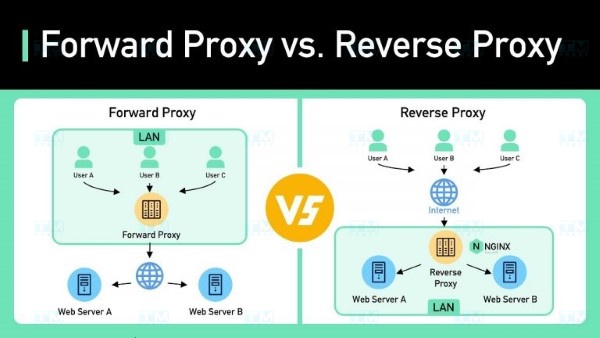
Proxies are divided into two main types based on usage and access management: Forward Proxy and Reverse Proxy.
- Forward Proxy: This is the type of proxy most commonly used by end users. In this model, requests from users are sent to the proxy server, which then forwards these requests to the Internet and ultimately to the website's backend server.
- Reverse Proxy: Reverse Proxies are typically used by websites to manage traffic. In this model, user requests travel through the Internet and are then sent to the proxy server. The proxy server then forwards these requests to the website's backend server.
By Proxy Origin
Proxies are classified by origin into 4 main types: Datacenter Proxy, Residential Proxy, Mobile Proxy, and Static Residential Proxy (ISP Proxy).
- Datacenter Proxy: Created from data centers, multiple IP addresses share the same geographic location, making this type of proxy easier for websites to detect.
- Residential Proxy: Sourced from real household IP addresses, harder to detect and less likely to be blacklisted.
- Mobile Proxy: A type of Residential Proxy that uses IP addresses from mobile SIM cards instead of WiFi connections.
- Static Residential Proxy (ISP Proxy): A combination of Datacenter and Residential Proxy, with IPs provided by Internet Service Providers (ISPs).

By Exclusivity of Use
Based on the level of exclusivity, proxies are divided into 3 main types:
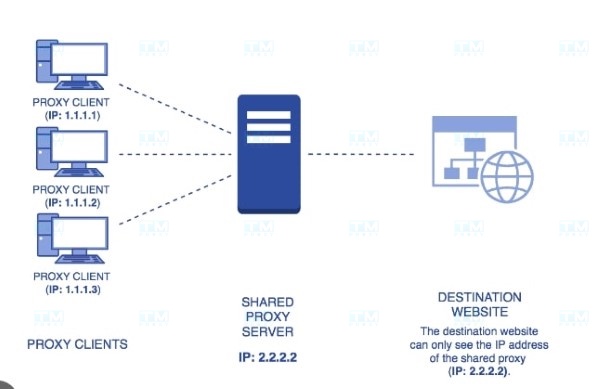
- Shared Proxy: Low cost, used by multiple users simultaneously. Due to the large number of users, this type is often less stable and more easily detected or blocked by websites.
- Semi-Dedicated Proxy: Similar to Shared Proxy, but shared among a small group of users (usually no more than 3). This improves speed and stability.
- Dedicated Proxy (Private Proxy): Reserved for a single user at any given time. Higher cost, but delivers faster speed, greater stability, and superior performance.
By Rotation Status
Based on how IP addresses change, proxies are divided into two main types:
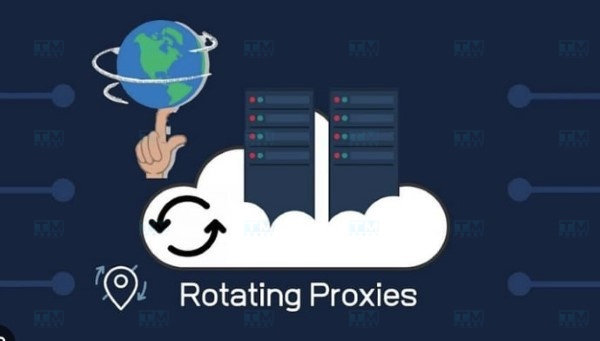
- Rotating Proxy: Automatically changes the IP address after a set period of time or after each access. Enhances anonymity and helps avoid detection.
- Static Proxy: Maintains the same IP address over an extended period. Suitable for activities requiring consistency, such as account management or maintenance.
By Proxy Version
Based on IP address version, proxies are divided into two types:
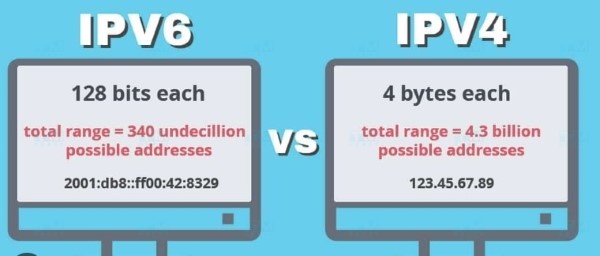
- Proxy IPv4: Uses IPv4 standard IP addresses, the most common type supported by the vast majority of applications and websites. However, IPv4 supply is increasingly limited.
- Proxy IPv6: Uses IPv6 standard IP addresses, offering a much larger pool of addresses than IPv4, but not yet widely supported by many applications.
By Proxy Protocol
Based on the protocol used, proxies are divided into three main types:
- HTTP Proxy: Only supports accessing websites using the HTTP and HTTPS protocols. Data is not encrypted, posing a risk of being monitored.
- HTTPS Proxy: An upgraded version of HTTP Proxy, with the ability to encrypt transmitted data, providing better protection for user information.
- SOCKS Proxy: The most flexible type, works with all types of websites and applications without protocol limitations. Offers high security as it only forwards data without reading its content.
By Proxy Anonymity Level
Based on the ability to remain anonymous and hide the real IP address, proxies are divided into three types:
- Transparent Proxy: Does not hide the user's real IP address, commonly used at public WiFi access points.
- Anonymous Proxy: Allows changing the IP address when browsing the web. However, websites can still detect that the user is using a proxy.
- High Anonymous Proxy (Elite Proxy): Provides the highest level of anonymity, not only changing the IP but also completely concealing the fact that the user is using a proxy.
Most Popular Proxy Types Today
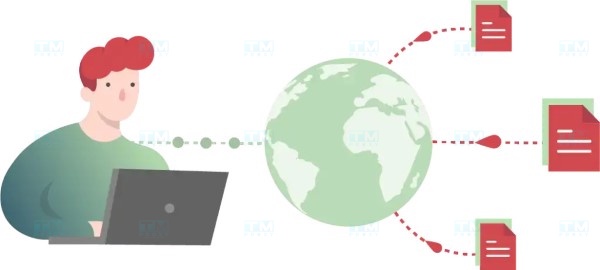
Beyond the 7 classification methods above, proxies can also be categorized based on various other characteristics, giving users more suitable options.
Dedicated Proxy
Dedicated proxies are designed for a specific purpose. For example, some proxies are designed to access internal networks, while others are designed to protect personal information. They are highly effective in professional environments.
Residential Proxy
Residential proxies use IP addresses from real devices, such as phones, personal computers, or IoT devices in homes. This type of proxy typically offers high anonymity and is less likely to be blocked compared to other proxy types.

Mobile Proxy
Mobile proxies use IP addresses from mobile devices such as smartphones or tablets. This type of proxy is commonly used to access mobile applications or websites optimized for mobile devices.
Conclusion: Understanding the 7 ways to classify proxies helps you choose the right type for your needs. Each proxy type has its own advantages and disadvantages — from low-cost, high-speed Datacenter Proxies to highly anonymous Residential Proxies. Consider your purpose of use to make the right decision.