





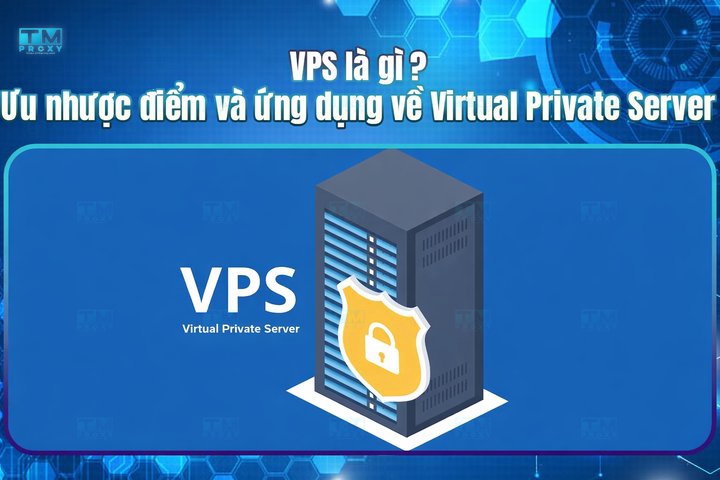
What is VPS? Advantages, Disadvantages, and Applications of Virtual Private Servers
VPS (Virtual Private Server) is a virtual server created from a physical server, operating independently with dedicated resources, balancing cost and performance.
VPS (Virtual Private Server) is a virtual server created from a physical server, operating independently with dedicated resources, balancing cost and performance.

Cloud VPS is a virtual server running on a cloud computing platform, offering flexible resource scaling, high security, and reasonable costs for projects of all sizes.
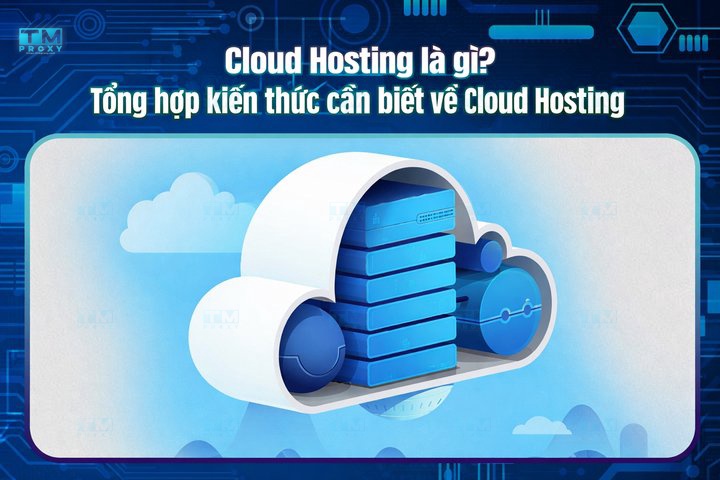
Cloud Hosting is a web hosting service built on cloud computing, distributing resources across multiple servers for high flexibility and uptime.
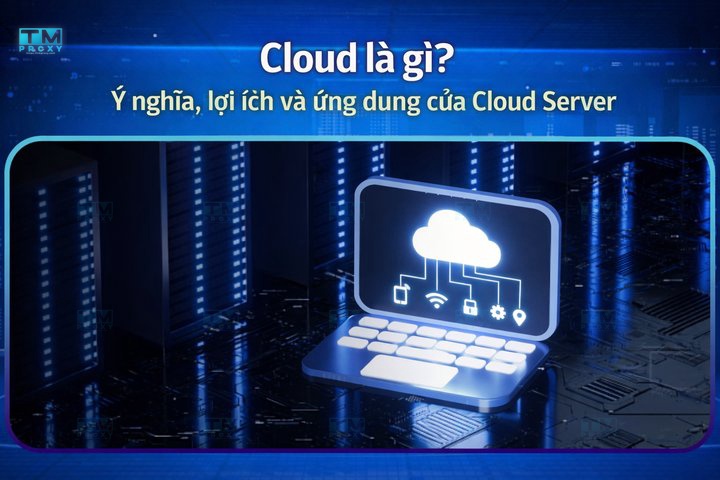
Cloud is a platform that delivers IT services over the internet, including storage, virtual servers, and databases, helping businesses reduce costs.
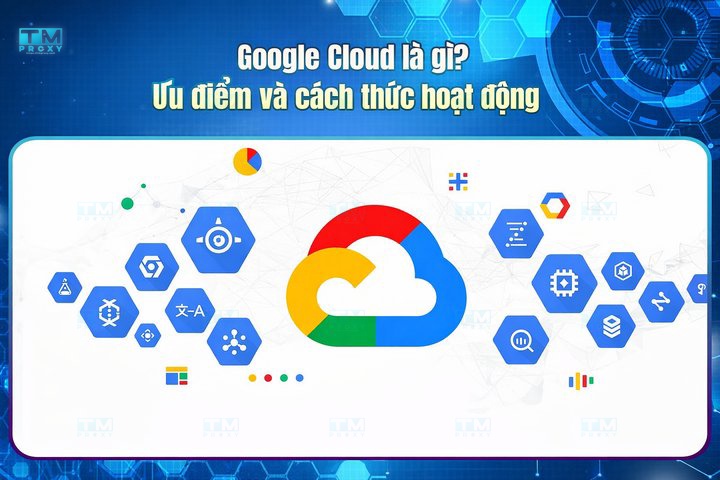
Google Cloud is Google's cloud computing platform, offering storage, computing, Big Data analytics, and AI services for individuals and businesses.
Google Cloud Platform (GCP) is Google's cloud computing platform, offering computing, storage, Big Data analytics, and AI services for businesses.
A Cloud Server is a virtual server that provides computing resources, storage, and bandwidth over the internet. Learn about the features, benefits, and applications of Cloud Servers for businesses.
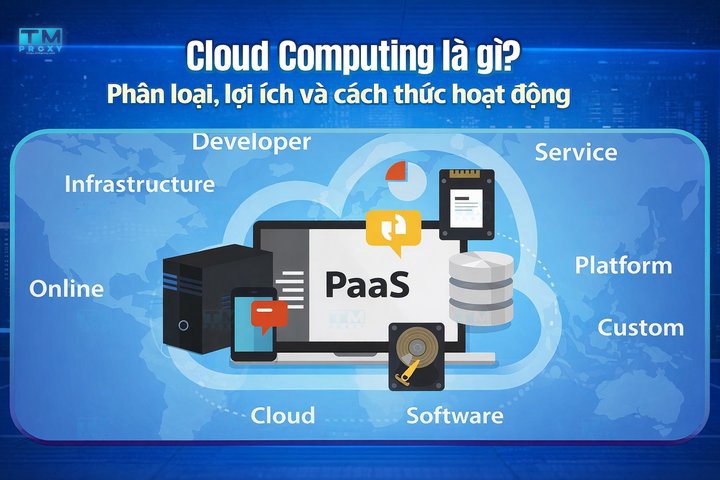
Cloud computing is a model for delivering IT resources over the internet. Learn about the types — IaaS, PaaS, SaaS — their benefits, and who should use cloud computing.
OpenStack is an open-source platform for building and managing cloud infrastructure. Learn about its components, advantages, disadvantages, and how to deploy OpenStack.
OwnCloud is an open-source platform that allows you to build your own private cloud storage service. Learn about ownCloud's features, advantages, uses, and installation guide.