





A network is a system that connects electronic devices to exchange data and share resources. This article provides a detailed analysis of common network types (LAN, WAN, MAN, PAN, GAN), network topology, advantages and disadvantages, and practical applications.
High-Speed Proxy - Ready to Try?
ALGO Proxy offers residential, datacenter & 4G proxies in 195+ countries
What is a Network?

What is a network? A network can be understood as a collection of electronic devices, computers, printers, and many other devices connected to each other through physical or wireless transmission lines to exchange data and share resources. In other words, a network is an interconnected system in which devices can communicate and interact with each other effectively.
Specific Definition of a Network
When talking about networks, we often think of the Internet, LAN, or WAN. However, networks actually encompass many different types, from small home networks to larger ones like global networks. Each type of network has its own structure and function, but they all serve the common purpose of creating connections between devices.
Why Do We Need Networks?
Networks are the foundation for all digitalization activities today. They allow users to easily access information, communicate, and share data without being limited by geographical distance. Through networks, we can work remotely, study online, and even enjoy entertainment through online services.
The Role of Networks in Modern Society
Networks not only affect individuals but also have a strong impact on organizations and businesses. Companies use networks to strengthen connections between departments and improve workflows. On the other hand, networks also provide opportunities for small businesses to grow through e-commerce, expanding their vision to the global market.
Network Topology
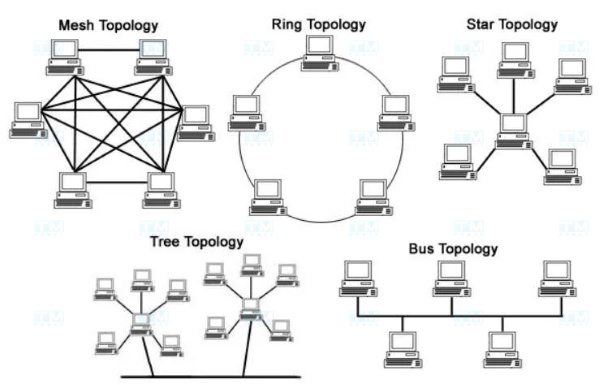
Network topology is a crucial part of ensuring that devices can communicate and transmit information effectively and securely. A network is composed of many different elements, including end devices, connecting devices, and transmission media.
End Devices
End devices are the devices that users interact with directly. They can include computers, smartphones, tablets, printers, and many other devices. The role of end devices is to send and receive data from different sources within the network.
Connecting Devices
Connecting devices such as switches, routers, hubs, and modems serve as bridges between end devices. They are responsible for forwarding data between devices and ensuring that information is transmitted in the correct direction. An effective network depends heavily on the quality and capabilities of these connecting devices.
Transmission Media
Transmission media is the environment through which information is transmitted. This can include fiber optic cables, coaxial cables, radio waves, and many other wireless technologies. The choice of transmission media affects the speed and reliability of the network.
Common Types of Networks Today
There are many types of networks, each serving different purposes and needs. Below are some of the most common network types today.
Local Area Network (LAN)
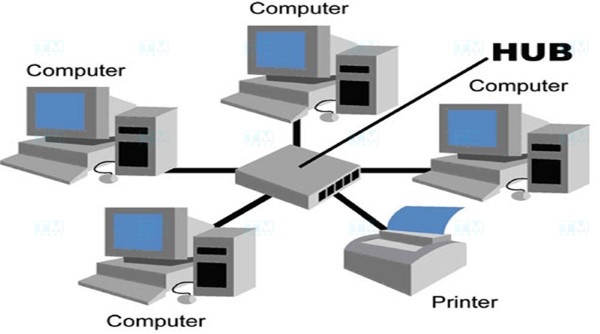
A LAN is a type of network that connects devices within a limited geographical area, such as an office or a home. This is the most common type of network due to its low cost and ease of management.
Key Characteristics
- High speed: LANs typically offer fast data transfer speeds, ideal for sharing resources like printers and data.
- Low cost: Building and maintaining a LAN is usually inexpensive, making it an ideal choice for many households and small businesses.
Wide Area Network (WAN)
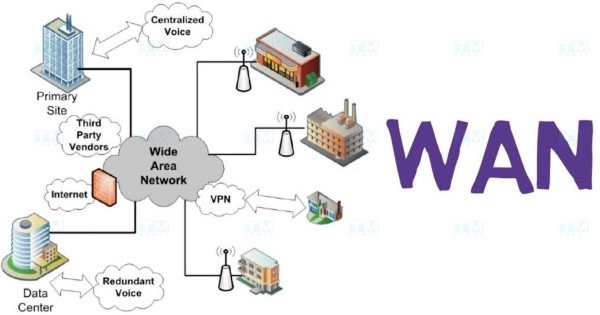
A WAN is a type of network that connects LANs together over a large geographical area such as a country or even globally.
Key Features
- Higher cost: Due to complex technology and infrastructure requirements, WANs are typically more expensive than LANs.
- Difficult management: Managing and maintaining a WAN requires higher levels of expertise.
Global Area Network (GAN)
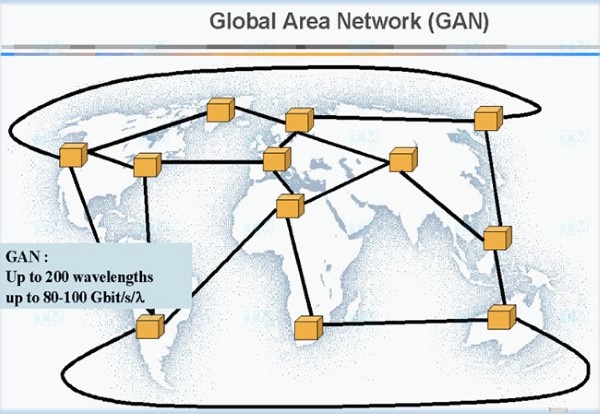
A GAN is an extension of a WAN, connecting millions of LANs worldwide.
Distinctive Properties
- Unlimited connectivity: Everyone can connect with each other from anywhere in the world.
- Diverse applications: GANs support many applications from e-commerce to social media.
Metropolitan Area Network (MAN)
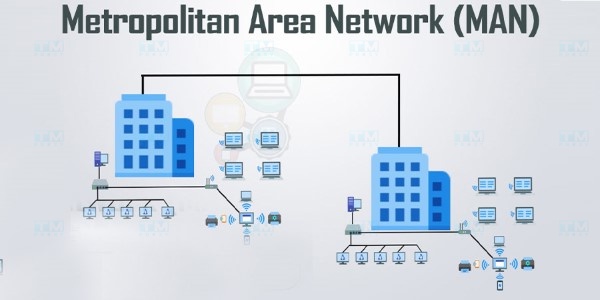
A MAN connects LANs within a city or metropolitan area, providing connectivity over a larger scope than LAN but smaller than WAN.
Advantages of MAN
- Moderate speed: MANs typically offer fairly stable and fast data transfer speeds.
- Reasonable cost: Compared to WAN, the cost of setting up and maintaining a MAN is much more reasonable.
Personal Area Network (PAN)
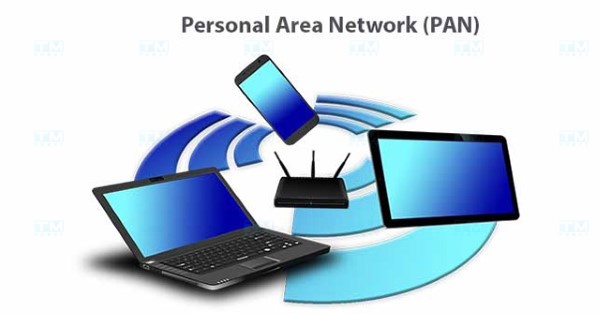
A PAN is used to connect personal devices within a close range, typically from a few meters to several tens of meters.
Applications and Potential
- Personal device connectivity: Users can quickly connect laptops, smartphones, tablets, and other devices.
- Wireless technology: Wi-Fi and Bluetooth are popular technologies used in PANs.
Advantages and Disadvantages of Networks
When considering networks, we need to look at both advantages and disadvantages for a comprehensive view.
Advantages of Networks
Networks bring many benefits to individuals and organizations. Some notable advantages of networks include:
Resource Sharing One of the greatest benefits of networks is the ability to share resources. Users can easily share data, software, and devices such as printers or cameras.
Improved Work Efficiency Connectivity enables rapid exchange of information and documents, saving time and boosting work efficiency. As a result, teams and individuals can collaborate more easily.
Cost Reduction Sharing resources helps minimize investment costs for devices and software. Instead of purchasing individual devices separately, users can leverage the power of the network to optimize costs.
Global Connectivity Networks provide an open connectivity environment, allowing users to easily communicate with each other from anywhere in the world, creating new opportunities in work and daily life.
Disadvantages of Networks
However, networks also have some disadvantages that users should be aware of.
Security Risks
Networks can be attacked by malicious actors, leading to information leaks or loss of important data. This requires users to have effective cybersecurity measures in place.
Deployment Costs The cost of setting up and maintaining a network can be quite high, especially for large enterprises with complex infrastructure.
Complex Management Managing a large network requires specialized knowledge and experience. Without a capable IT team, technical issues can disrupt operations.
Technical Failures Networks may encounter technical issues such as lost connections, hardware failures, and more, causing inconvenience to users.
Applications of Networks
Networks have been and continue to impact all aspects of life, from economics, society, and education to entertainment. Below are some notable applications you can explore.

Resource and Information Sharing
Easily share resources such as printers, data, and software among devices within the same network. This not only saves time but also helps optimize workflows.
Easy Remote Access to Information
Users can easily access the vast repository of information on the internet from anywhere, as long as they have a network connection.
Convenient Personal Communication
Networks help connect people everywhere, at all times, facilitating communication and information exchange. Video calling and online chat applications like Skype and Zoom have become increasingly popular.
Enhanced Information Reliability and Security
Many modern network systems integrate advanced security measures to protect personal information and critical data from cyberattacks.
Comparison Between Internet and Network
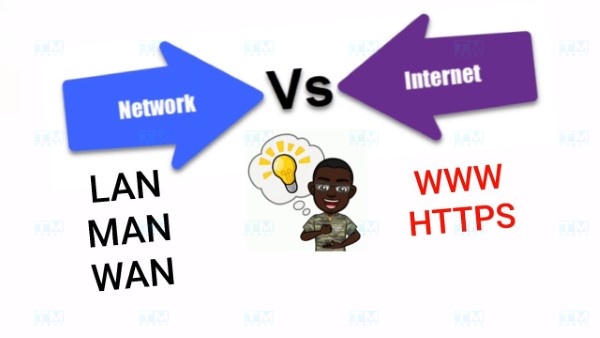
Although the Internet and networks are both concepts related to connectivity, they have important differences that users need to understand.
Internet
The Internet is a global network connecting billions of devices, allowing users to access information, communicate, and share data. The Internet connects different networks, allowing users to access a vast repository of information.
Network
Conversely, a network is a system connecting devices within a defined area such as an office or home. A network can be connected to the Internet, but not all networks are the Internet.
Key Differences
The main difference between these two concepts is the scope of connectivity. While the Internet is a global network, a network may be only a part of it, serving more specific needs.
Differences Between Public Network and Private Network
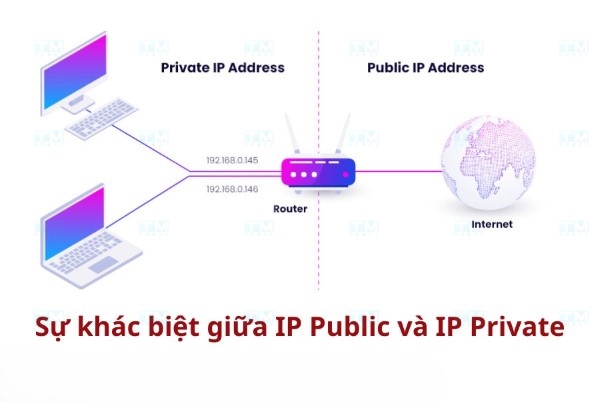
When learning about networks, there are two important concepts you need to know: Public Network and Private Network.
Public Network
A Public Network is a public network that anyone can access. Examples include free Wi-Fi at coffee shops or airports. However, due to its public nature, the security of this type of network is usually not high.
Private Network
A Private Network is a private network that only allows a specific group of users to access. These networks are commonly used in organizations and businesses to protect sensitive information and data.
Key Highlights
The biggest difference between these two network types is access rights and security. While Public Networks are easy to access but less secure, Private Networks ensure safety but limit access.
Frequently Asked Questions About Networks
Before concluding this article, let's explore some common questions related to networks.

Is Wi-Fi a Network?
Yes, Wi-Fi is a form of network that allows devices to connect wirelessly to transmit data.
Why Do We Need to Use Networks?
Using networks helps optimize work processes, share resources and information, and connect people together.
What is the Purpose of Using a Network?
The main purpose is to create connections between devices to facilitate the exchange of information and resources quickly and efficiently.
What is an IT Network?
An IT Network refers to any network in which information technology devices are connected to share data and resources.
{{< test-result title="Comparison of Network Types" headers="Criteria|LAN|WAN|MAN|PAN" row1="Scope|Small (office, home)|Large (national, global)|City, metropolitan|Personal (a few meters)" row2="Speed|Very high|Medium - high|Medium|High" row3="Cost|Low|High|Medium|Low" row4="Security|High|Medium|Medium|High" row5="Management|Easy|Complex|Medium|Simple" />}}
Conclusion: Networks are an indispensable component of modern life, from resource sharing and communication to remote work. Understanding the structure, classification, and advantages and disadvantages of each network type helps you choose the most suitable solution for your personal and business needs.