






What are Residential Proxies? Guide to Residential Proxy for Data Collection
Residential Proxies use real IPs from ISPs with the highest trust scores. Learn how they work, types, pros, cons, and comparison with datacenter proxies.
Residential Proxies use real IPs from ISPs with the highest trust scores. Learn how they work, types, pros, cons, and comparison with datacenter proxies.

ISP Proxy (Static Residential Proxy) combines real residential IPs with datacenter speed. Learn how it works, pros, cons, and comparison with rotating residential proxies.

HTTP Proxy is the most common proxy type, operating at the application layer via HTTP/HTTPS. Learn how it works, types, and comparison with SOCKS5 proxy.

Taobao Proxy helps access and collect data from Taobao without being blocked. Learn why you need a proxy, best proxy types, and how to scrape Taobao effectively.

Guide to setting up proxies on Safari for macOS and iOS. Learn how to configure HTTP/SOCKS proxy, PAC files, and alternative solutions for Safari.

Proxy chaining routes traffic through multiple proxy servers in sequence for enhanced anonymity. Learn how it works, pros and cons, and popular tools.

GitHub Proxy helps access GitHub when blocked, bypass API rate limits, and collect repository data. Learn how to configure proxies for Git, API, and scraping.

FPT Proxy uses IPs from FPT Telecom — Vietnam's 2nd largest ISP. Learn the advantages, practical use cases, and comparison with Viettel and VNPT proxies.

High-speed proxies enable faster scraping and smoother access. Learn what affects proxy speed, compare proxy types, and how to optimize for maximum performance.
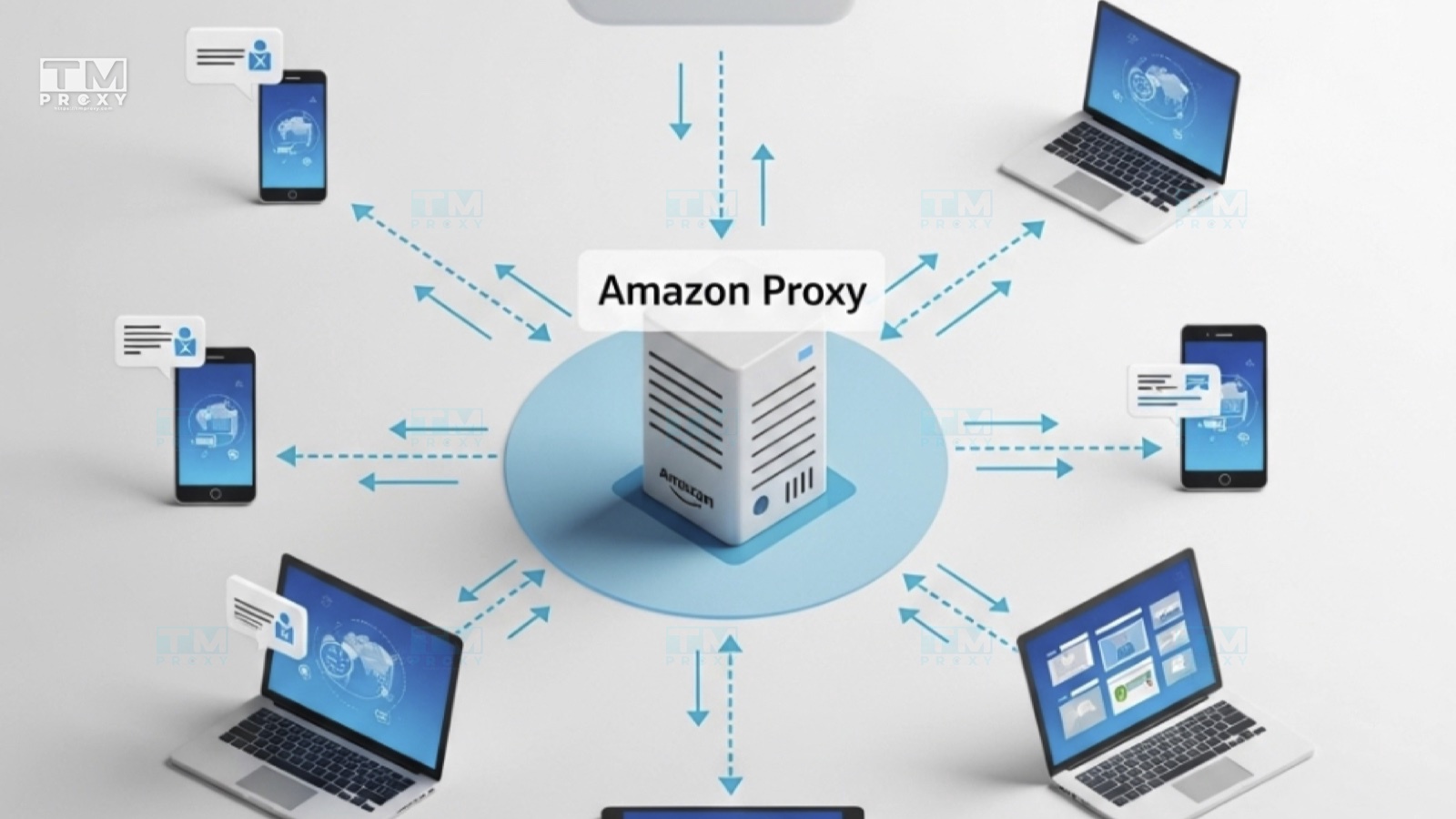
Amazon Proxy helps collect product data, prices, and reviews from Amazon without being blocked. Learn the best proxy types and how to scrape Amazon effectively.